
Knowledge Base
Our Blogs
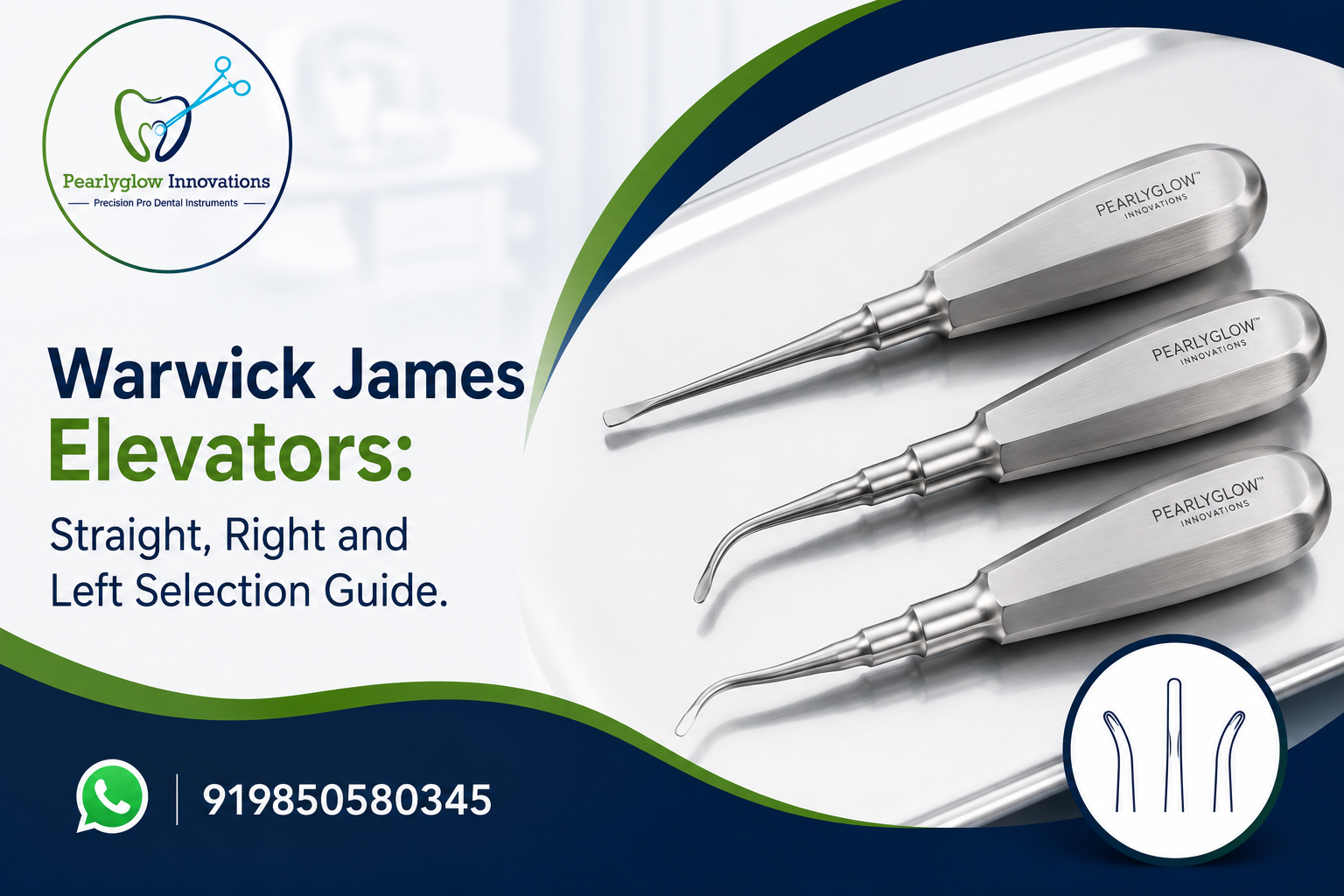
Warwick James Elevators: Straight, Right and Left Selection Guide.
Warwick James elevators are commonly supplied as a three-instrument set: straight, right and left. Their fine working ends can support controlled mobilisation of selected roots and root fragments.

Why Do Dental Elevators Slip or Lose Their Purchase Point?
Dental elevators commonly slip when the working end does not engage a stable purchase point, the selected tip is unsuitable for the available space, force is directed incorrectly.

Dental Elevator Inspection, Maintenance and Replacement Checklist.
Dental elevators should be inspected for working-end damage, bending, alignment changes, corrosion, surface pitting, loose handles and loss of edge definition.
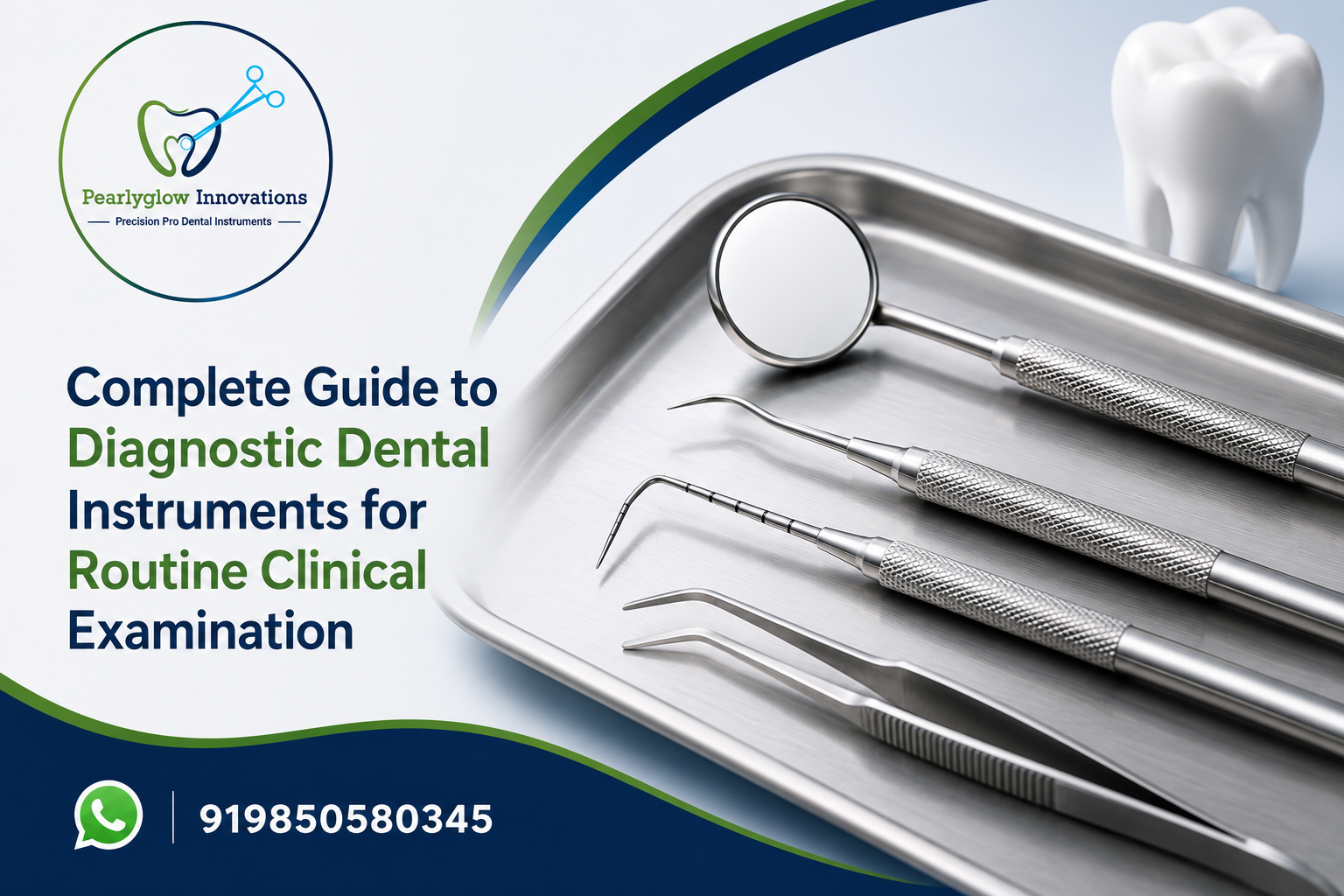
Complete Guide to Diagnostic Dental Instruments for Routine Clinical Examination.
A routine diagnostic dental set commonly includes a mouth mirror, explorer or probe, calibrated periodontal probe and dental tweezers.
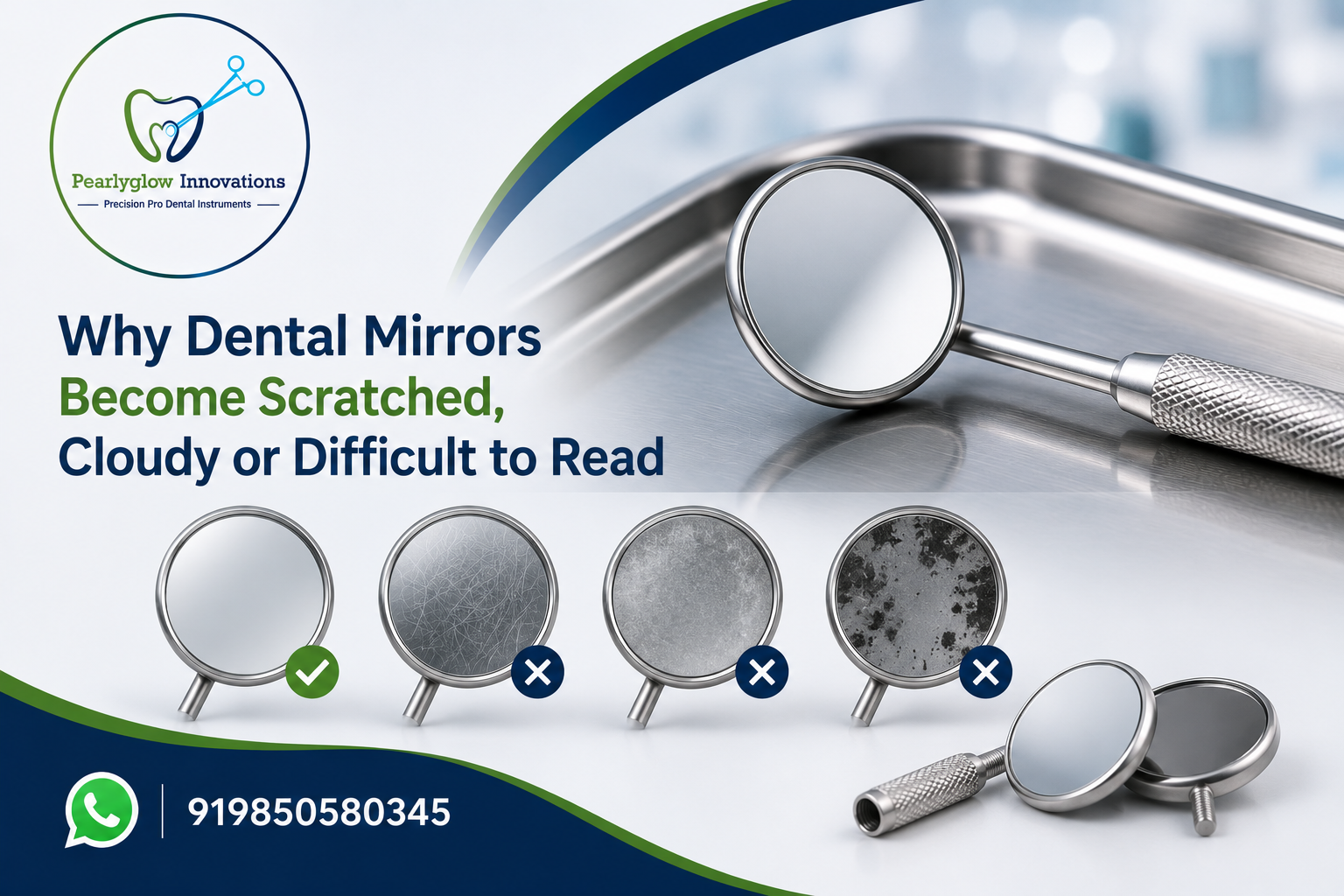
Why Dental Mirrors Become Scratched, Cloudy or Difficult to Read.
Dental mirrors may become scratched or cloudy because of abrasive cleaning, contact with other instruments, mineral deposits, repeated reprocessing, chemical incompatibility, coating damage or improper storage. Reduced clarity can increase glare and repeated repositioning.
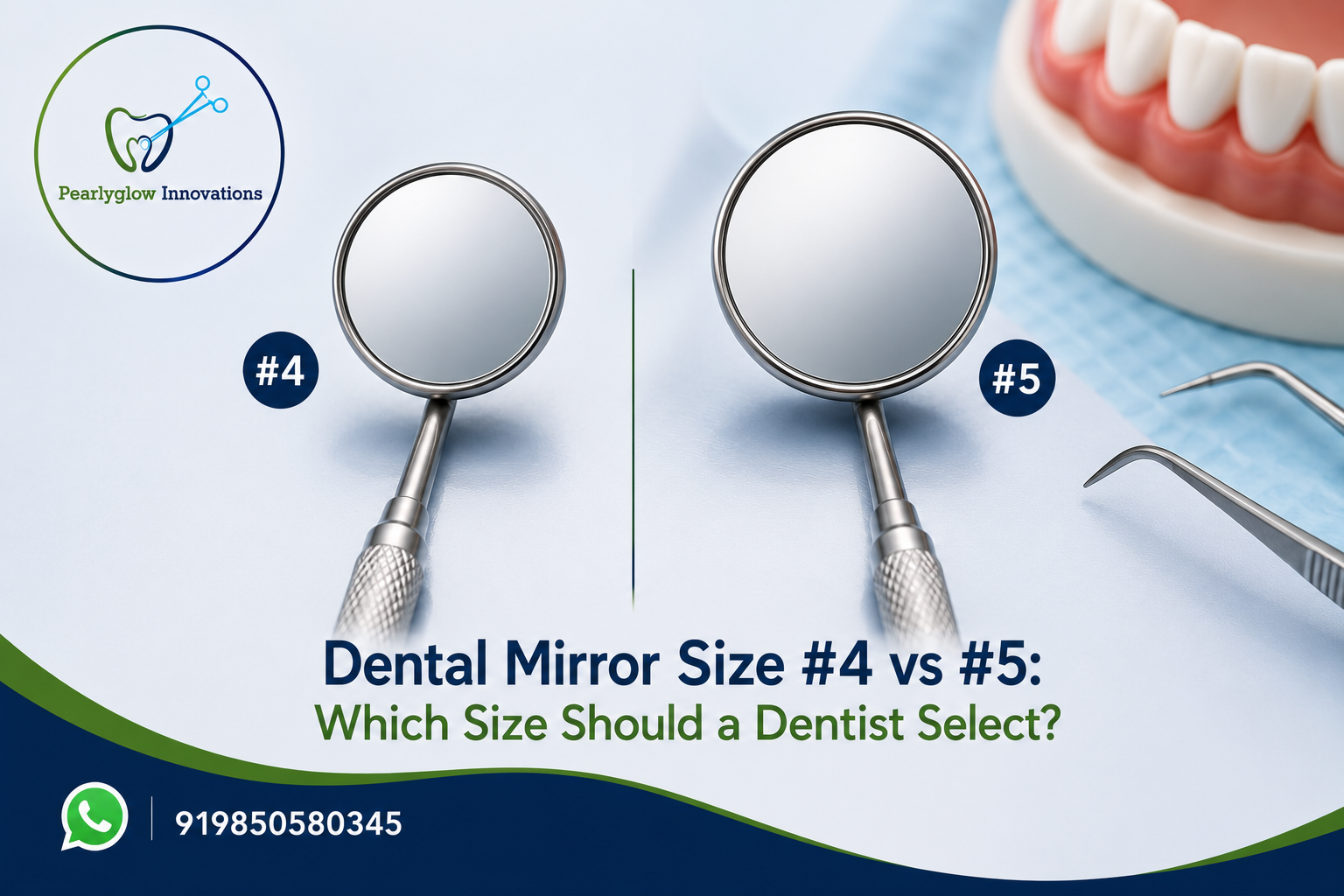
Dental Mirror Size #4 vs #5: Which Size Should a Dentist Select?
Size #4 and #5 dental mirrors differ mainly in reflective diameter and the balance between access and field of view. A #4 mirror may be preferred where a slightly smaller head improves access, while a #5 mirror may provide a broader visual field and retraction surface.
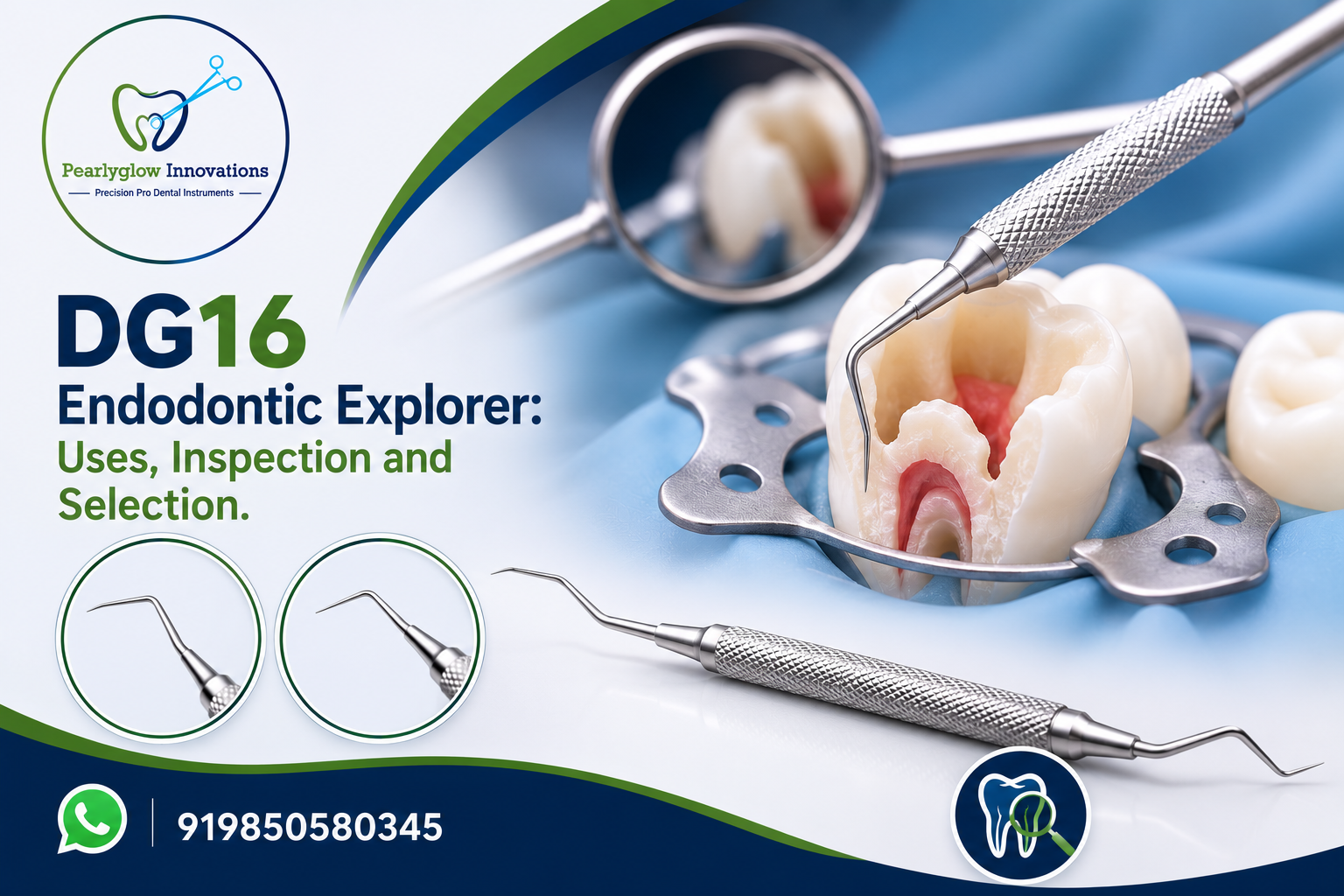
DG16 Endodontic Explorer: Uses, Inspection and Selection.
A DG16 endodontic explorer is a fine double-ended instrument commonly used to explore the pulp-chamber floor and identify canal-orifice anatomy after adequate access and visibility have been established. It should be used with light tactile pressure rather than as a cutting or levering instrument.
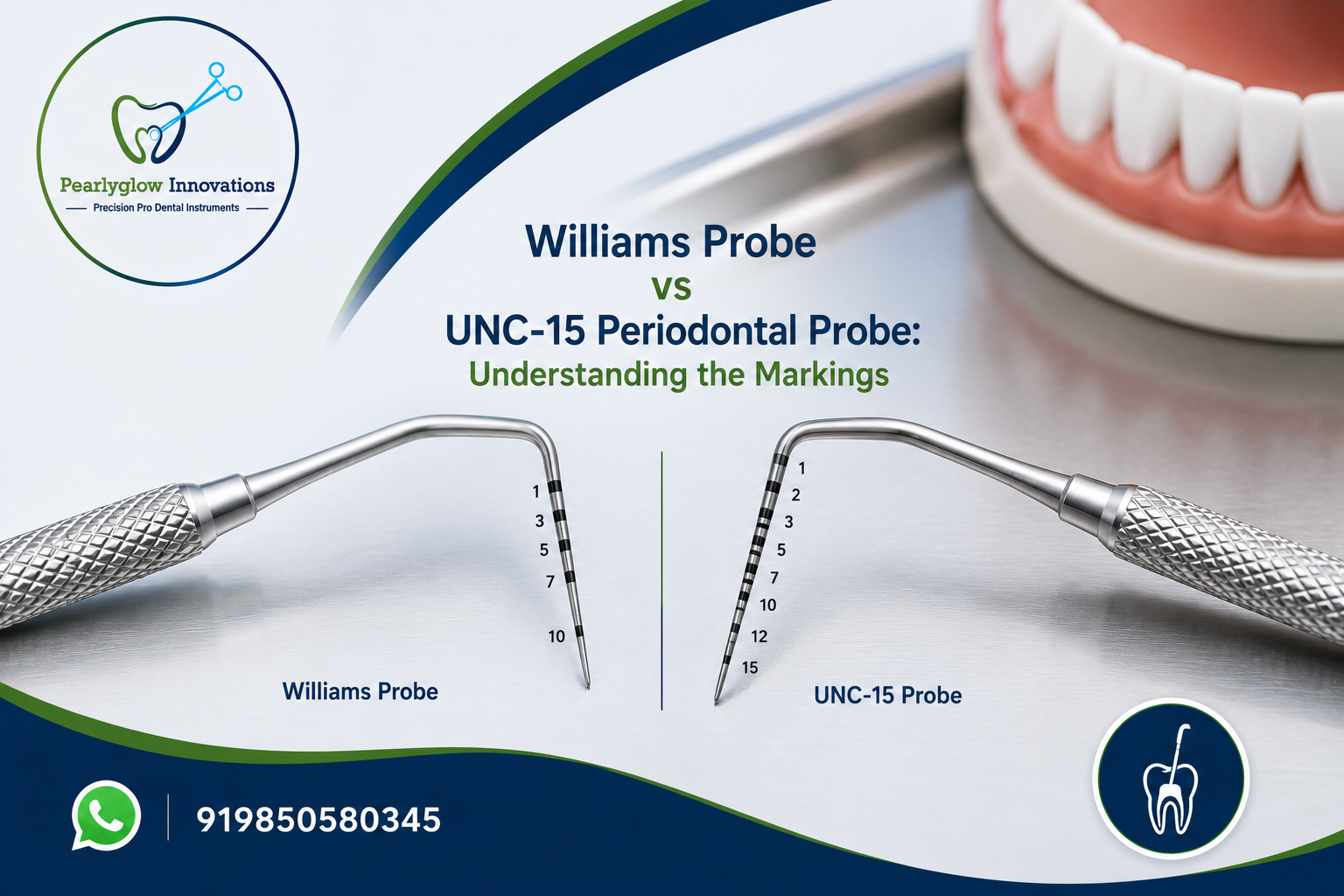
Williams Probe vs UNC-15 Periodontal Probe: Understanding the Markings.
Williams and UNC-15 probes are calibrated periodontal instruments with different marking systems. A Williams probe commonly provides shorter-range markings with selected millimetre intervals, while a UNC-15 is designed for measurement up to 15 mm with a more extended scale.
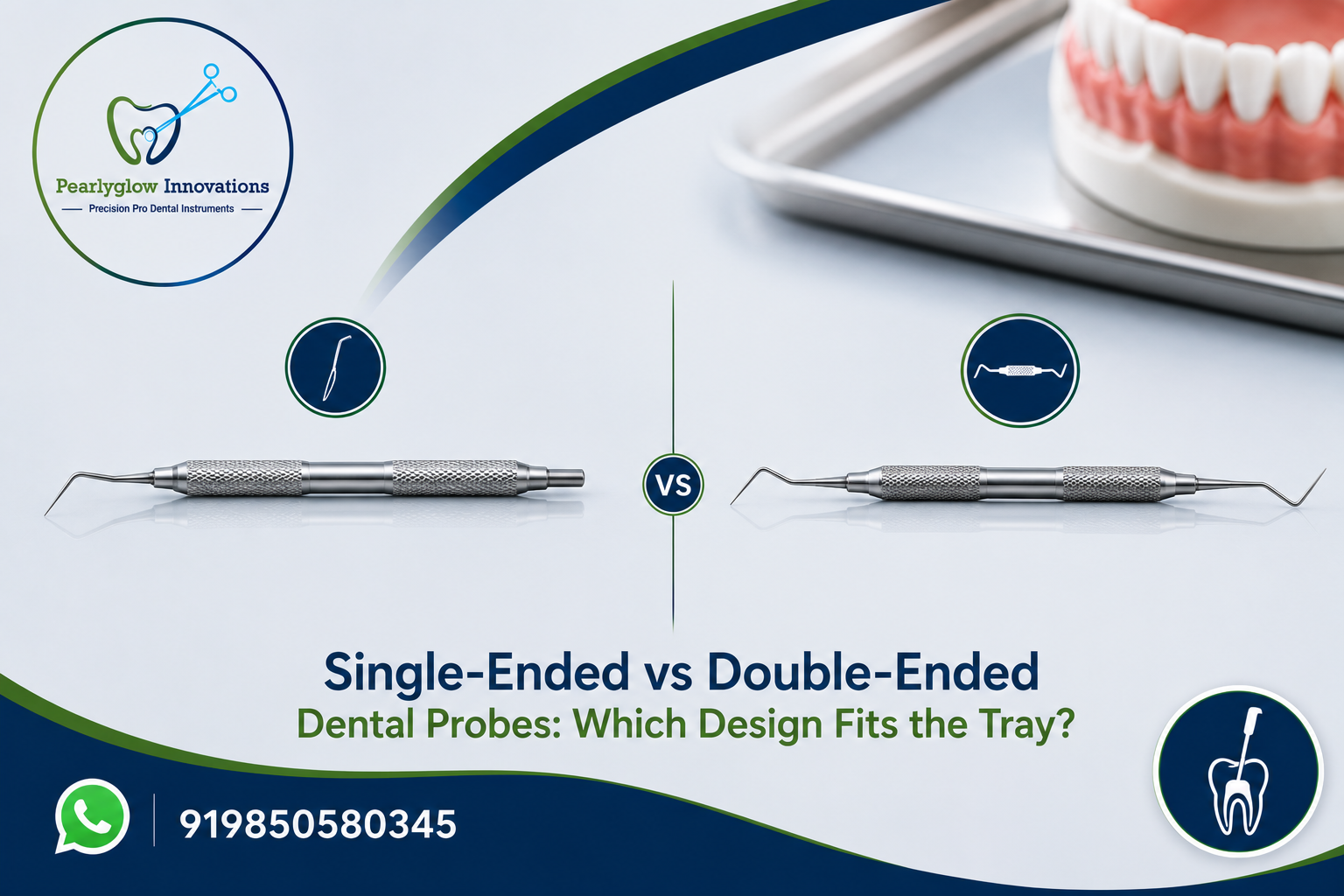
Single-Ended vs Double-Ended Dental Probes: Which Design Fits the Tray?
A single-ended probe provides one working end and may be easier to identify or isolate for a specific examination.
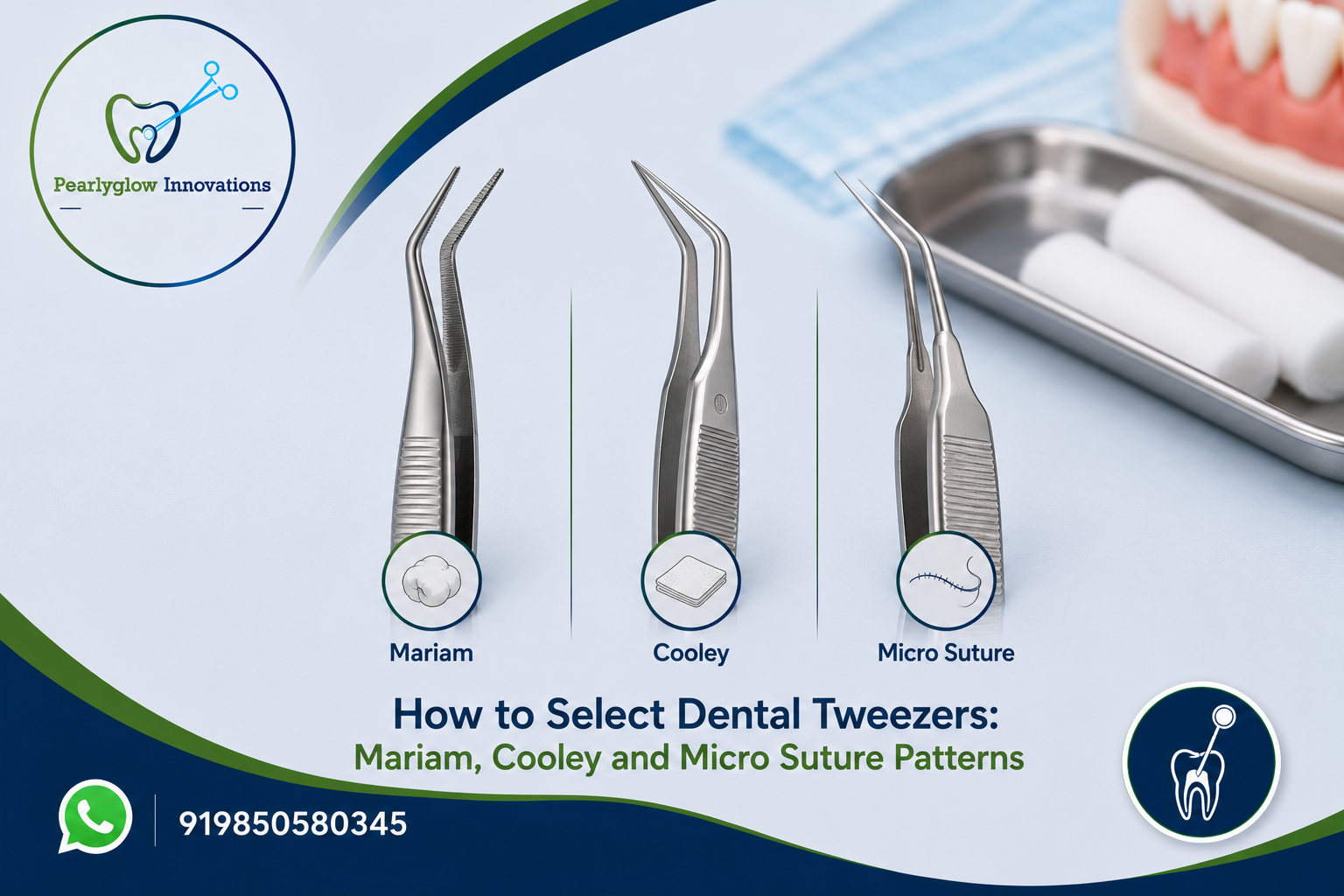
How to Select Dental Tweezers: Mariam, Cooley and Micro Suture Patterns.
Dental tweezers should be selected according to the size and fragility of the material being held, the required access, tip geometry, alignment and spring tension.
Latest Posts
Warwick James Elevators: Straight, Right and Left Selection Guide.
7/30/2026
Why Do Dental Elevators Slip or Lose Their Purchase Point?
7/30/2026
Dental Elevator Inspection, Maintenance and Replacement Checklist.
7/30/2026
Complete Guide to Diagnostic Dental Instruments for Routine Clinical Examination.
7/31/2026
Why Dental Mirrors Become Scratched, Cloudy or Difficult to Read.
7/31/2026