
Knowledge Base
Our Blogs
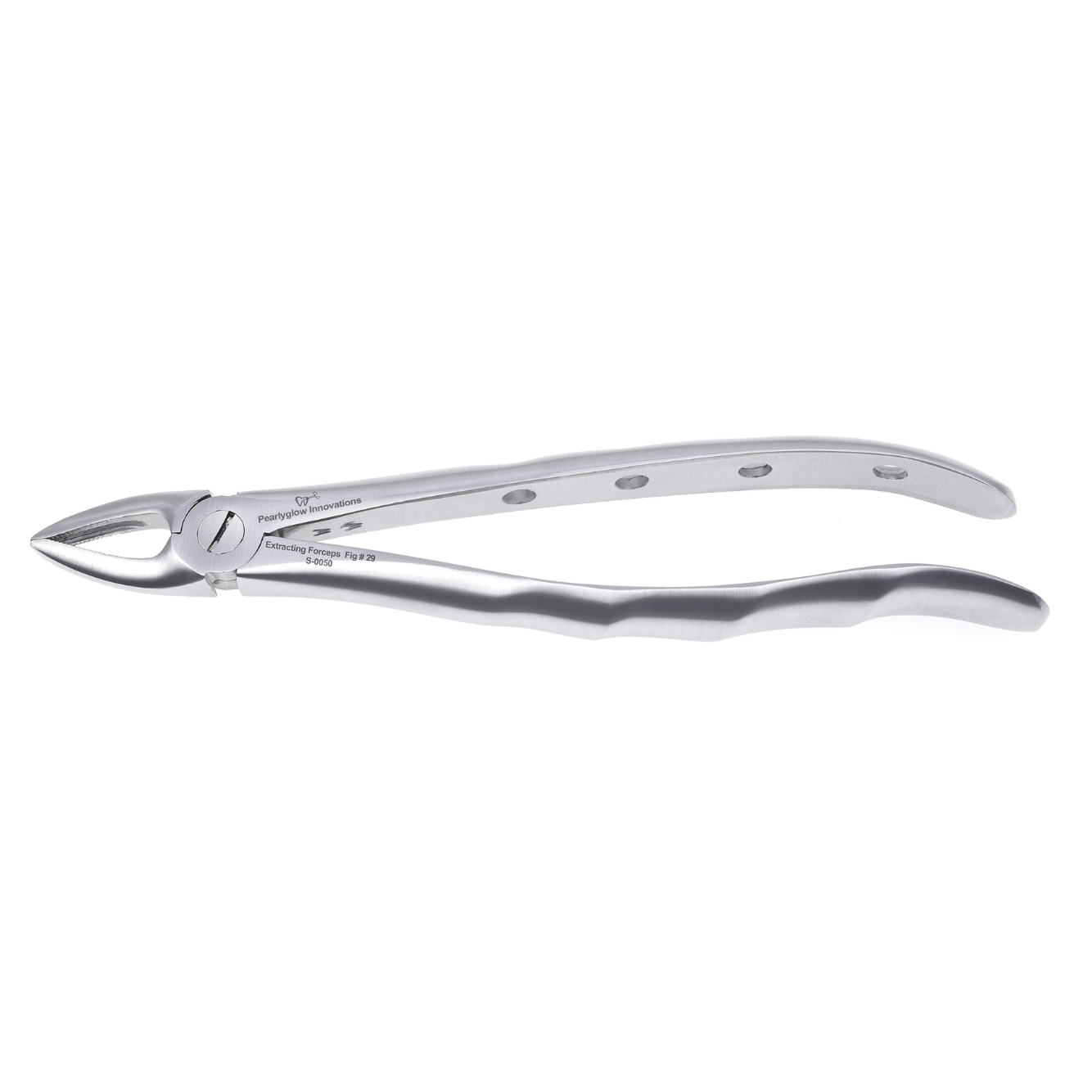
Extraction Forceps: Why Grip, Beak Design, and Balance Matter in Atraumatic Tooth Removal
A difficult extraction often does not become difficult in one dramatic moment. It starts quietly — a forceps that does not seat well, a handle that needs extra squeezing, a beak that does not adapt cleanly, or a wrist movement that feels slightly uncontrolled. The dentist compensates with more pressure, and the procedure becomes more stressful than it should be.
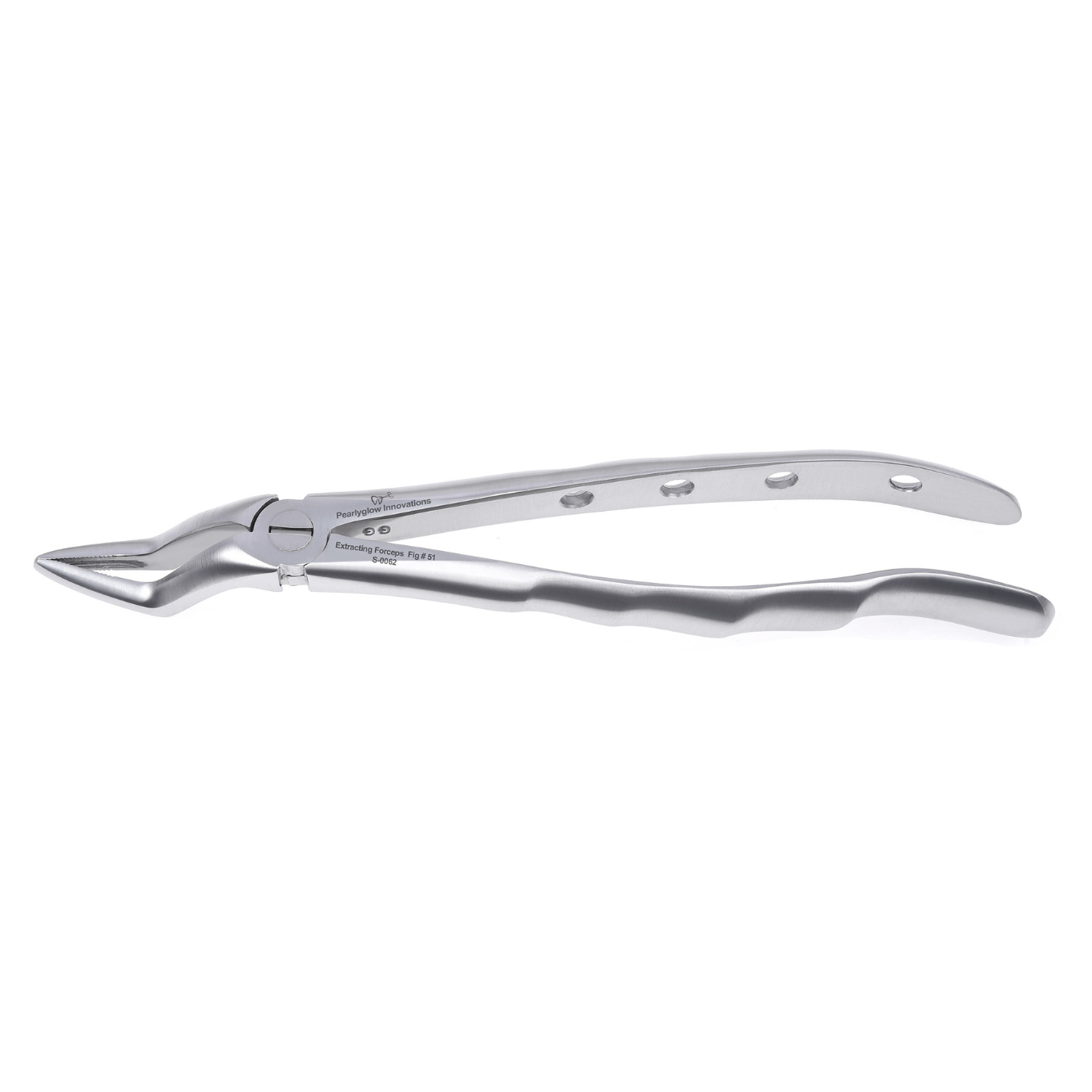
Extraction Forceps Buying Guide: How Dentists Should Choose Forceps for Grip, Beak Fit, and Control
Choosing extraction forceps should never depend on appearance alone. Dentists should evaluate beak adaptation, hinge movement, handle grip, stainless steel quality, balance, and sterilization durability before buying.
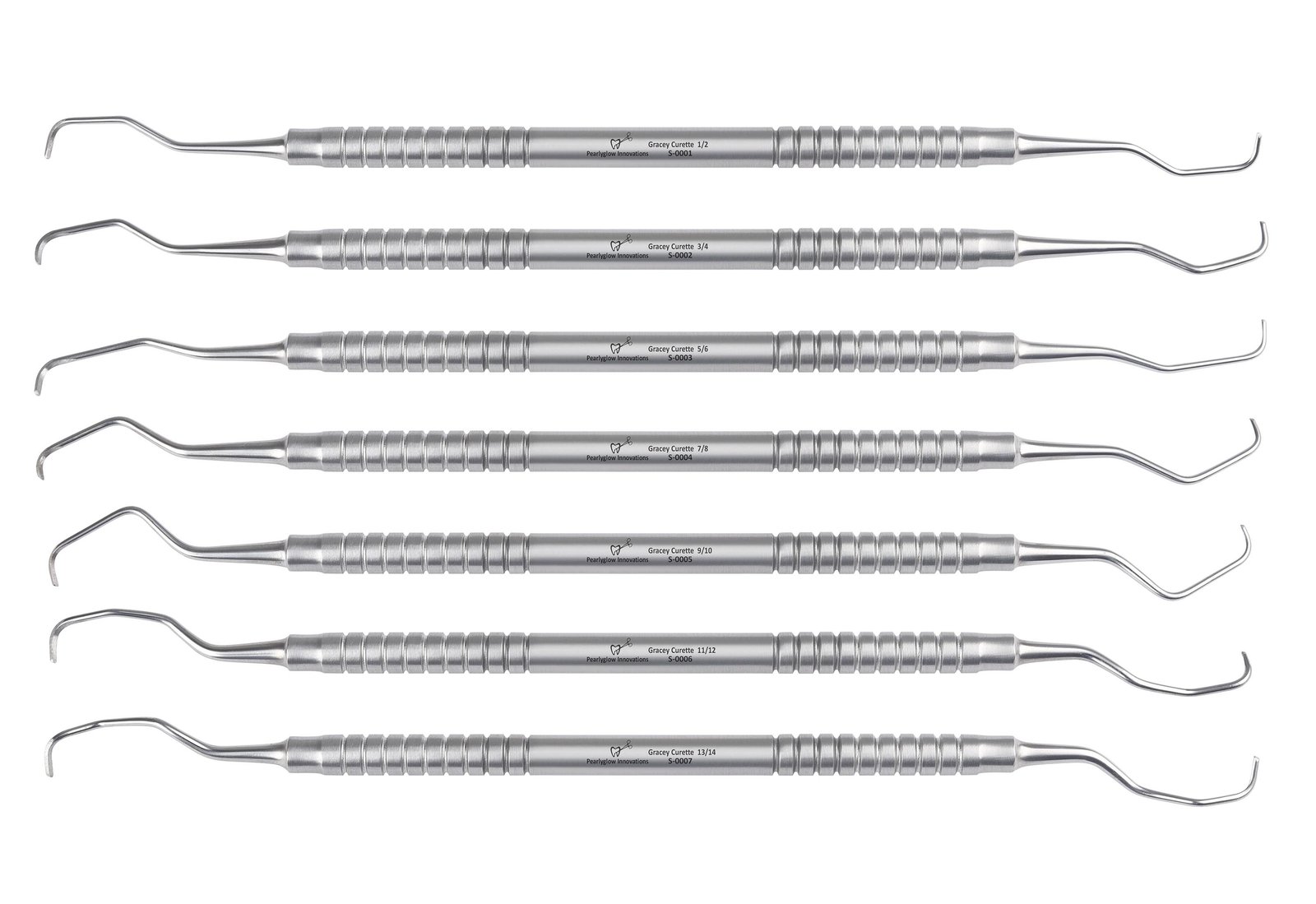
Gracey Curettes Clinical Guide: Root Adaptation, Tactile Control, and Periodontal Precision
Gracey curettes are essential periodontal instruments for subgingival scaling and root surface instrumentation. Dentists should evaluate blade design, sharpness, handle grip, balance, and tactile feedback.
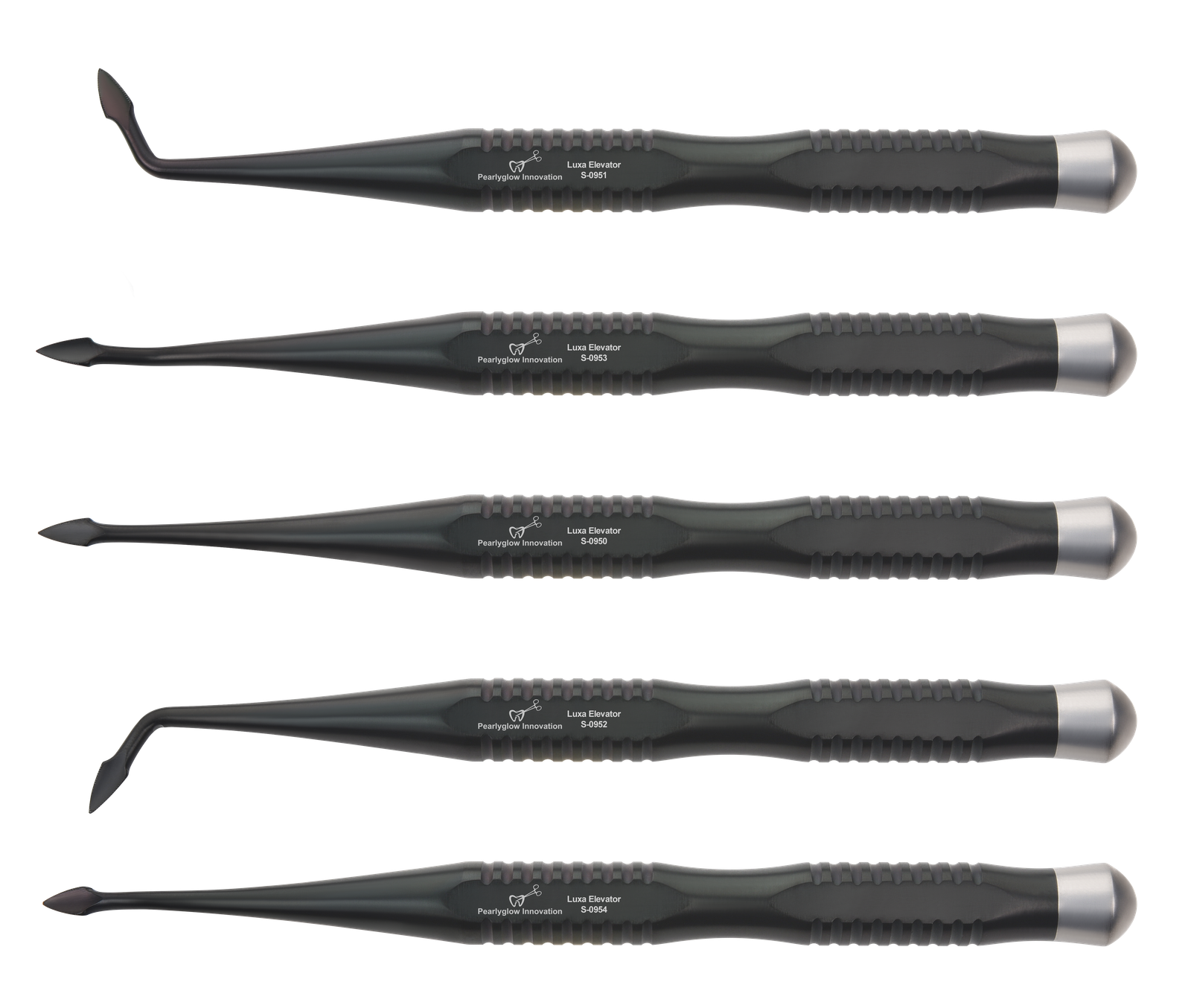
GBR Instruments Explained: Graft Control, Membrane Handling, and Surgical Workflow
GBR instruments help implant dentists manage graft delivery, membrane adaptation, condensation, flap handling, and suturing. Proper instrument selection supports cleaner and more controlled surgical workflow.
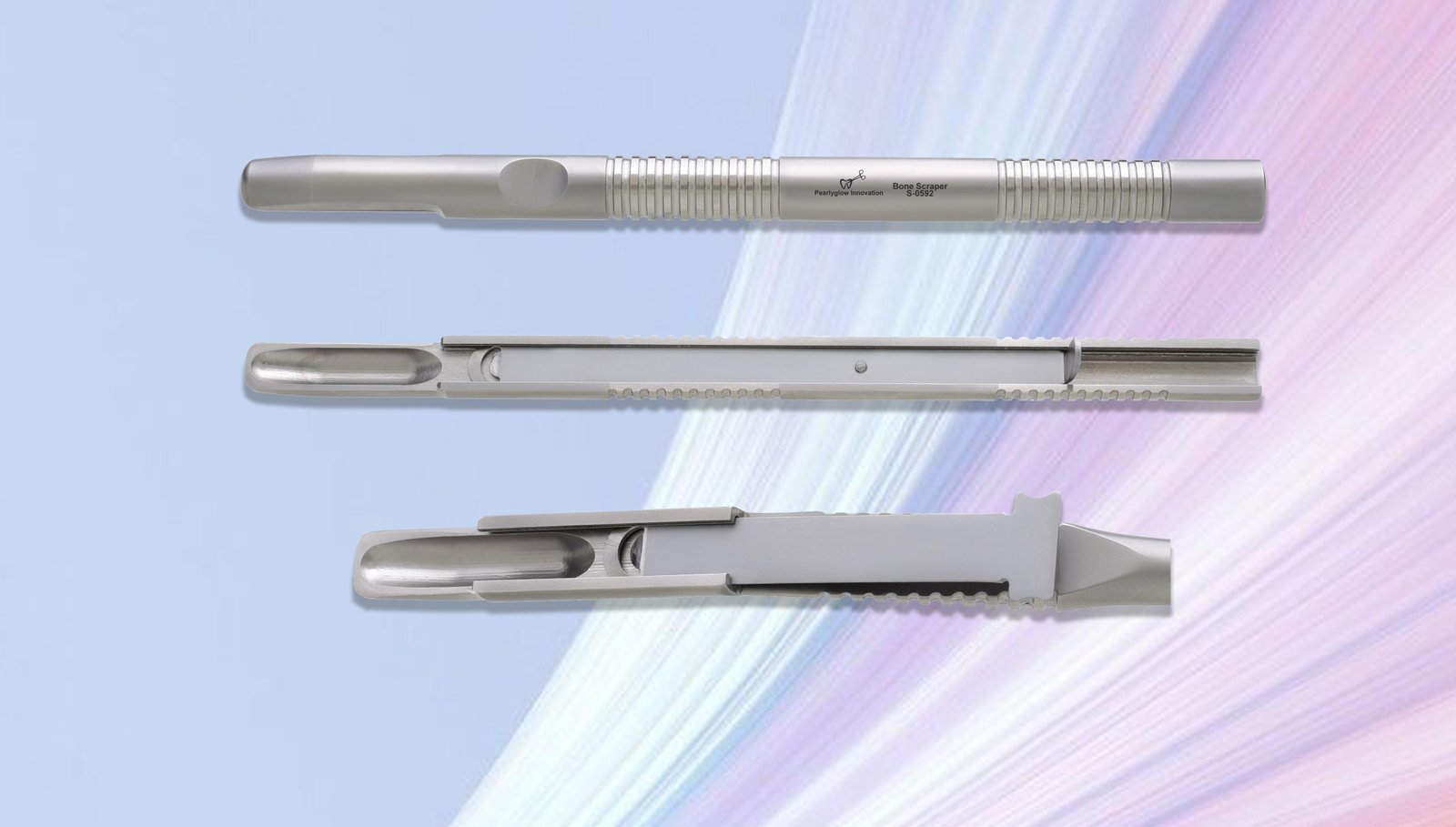
Premium Dental Instruments Choosing Guide: What Dentists Should Check Before Buying
Premium dental instruments should be selected based on clinical handling, stainless steel quality, grip, balance, surface finishing, rust resistance, autoclavability, and long-term chairside reliability.
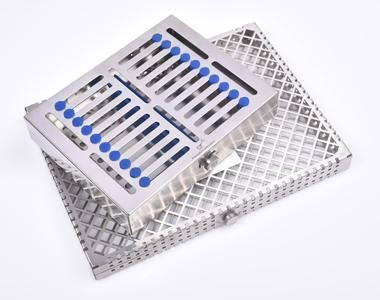
BDS Student Kit Guide: Essential Dental Instruments Every Student Should Understand
A BDS student kit should include reliable diagnostic, periodontal, restorative, and basic surgical instruments. Students should learn instrument purpose, handling, maintenance, sterilization, and clinical discipline early.
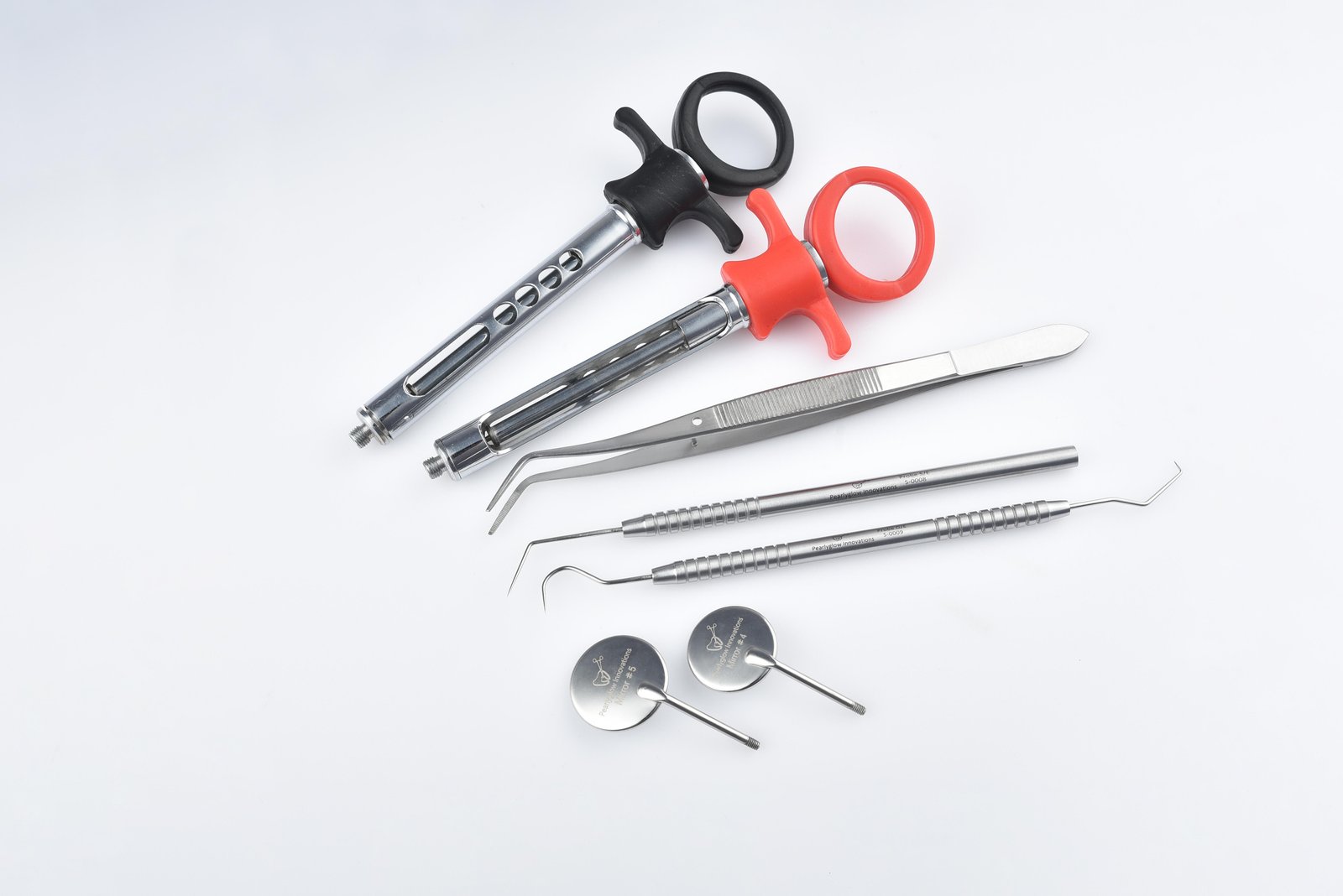
GBR Instruments Explained: Graft Control, Membrane Handling, and Surgical
GBR instruments help implant dentists manage graft delivery, membrane adaptation, condensation, flap handling, and suturing. Proper instrument selection supports cleaner, calmer, and more controlled surgical workflow.
Luxatome vs Luxa Elevators vs Elevators: Clinical Difference Every Dentist Should Know
Luxatome, Luxa Elevators, and elevators are commonly used during extractions, but each has a different clinical role. Understanding the difference helps dentists improve PDL expansion, proximal access, tooth mobilization, leverage control, and atraumatic extraction workflow.
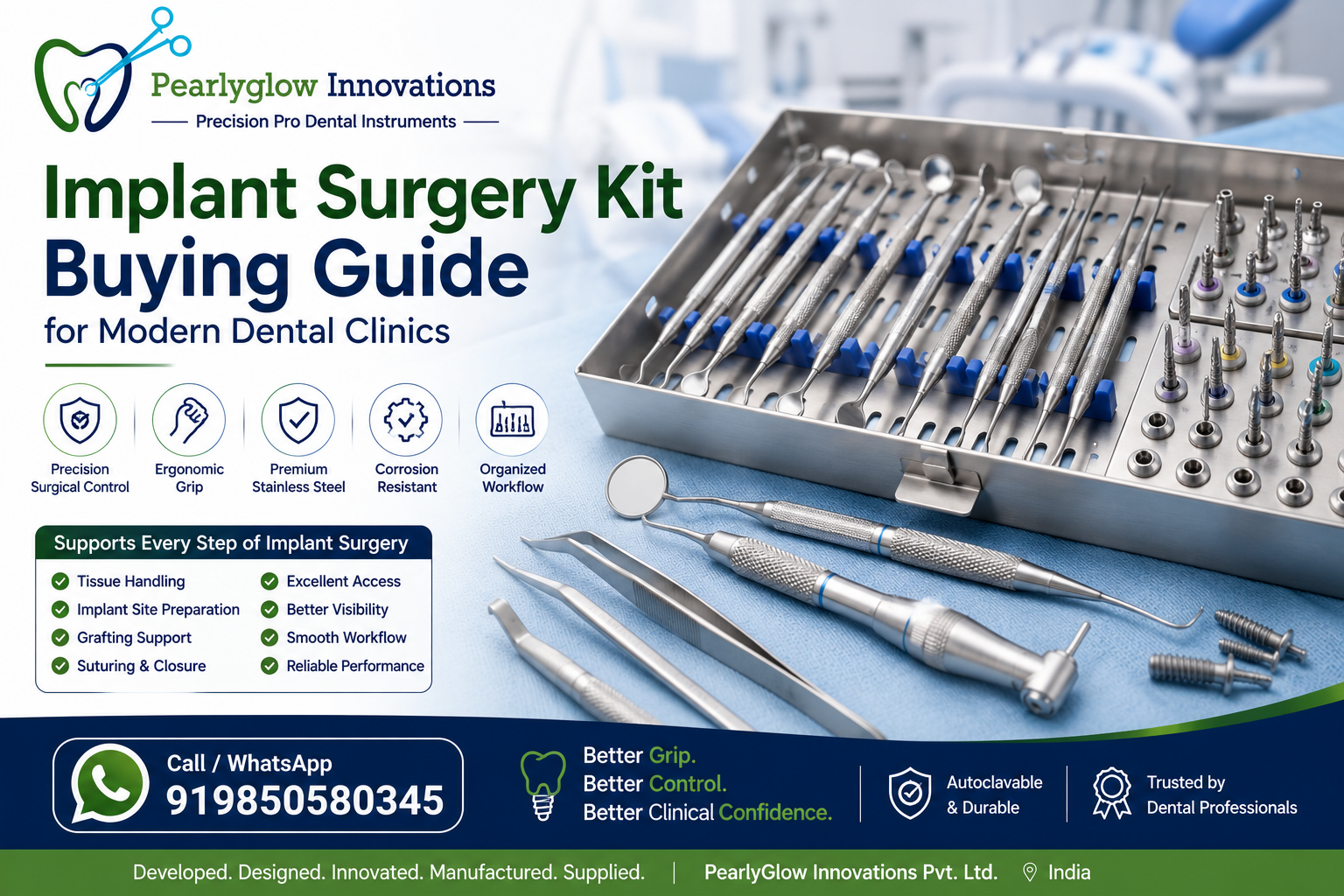
Implant Surgery Kit Buying Guide for Modern Dental Clinics
An implant surgery kit should support surgical sequence, sterility, access, tissue handling, grafting, suturing, and assistant coordination. Dentists should choose implant instruments based on workflow, grip, steel quality, and clinical reliability.

Bone Graft Carrier vs Bone Condenser: Clinical Difference Every Implant Dentist Should Know
Bone graft carriers and bone condensers are both used in grafting procedures, but they serve different clinical roles. One supports graft delivery, while the other supports controlled graft adaptation.
Latest Posts
Extraction Forceps: Why Grip, Beak Design, and Balance Matter in Atraumatic Tooth Removal
6/24/2026
Extraction Forceps Buying Guide: How Dentists Should Choose Forceps for Grip, Beak Fit, and Control
7/2/2026
Gracey Curettes Clinical Guide: Root Adaptation, Tactile Control, and Periodontal Precision
7/2/2026
GBR Instruments Explained: Graft Control, Membrane Handling, and Surgical Workflow
7/2/2026
Premium Dental Instruments Choosing Guide: What Dentists Should Check Before Buying
7/2/2026